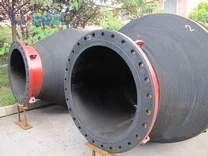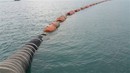

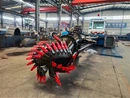

Hydraulic dredging: The high-pressure water gun of the hydraulic dredging unit is used to scour the bottom mud, disturbing the bottom mud into the mud, and the flowing mud is gathered to the pre-set low-lying area, and the mud is sucked by the mud pump and transported by the pipeline to the bank yard or the pulp collection pool. Hydraulic flushing dredging has the advantages of simple machinery, convenient transportation, and low construction cost, and the resulting mud has low water content and is easy to follow up, but the construction environment of this method is harsh.
Dry dredging: Excavator is used for excavation. However, due to the weak bearing capacity of the silt, it is difficult to construct on the silt, which often causes the excavator to be stuck in the silt and immobilized. Generally, it is used for the cleaning of construction and domestic garbage in the riverbed after hydraulic flushing excavation, the cleaning of drier mud near the side slopes, and the construction of riverside berms.
Generally speaking, drainage dredging has the advantages of intuitive construction conditions and easy quality assurance, and it is also easy to cope with situations where the dredging object contains large and complex debris. The disadvantage is that it increases the cost of temporary cofferdam construction because of the need to drain the flowing water in the river; at the same time, many rivers can only be constructed during the non-flood season, the construction period is somewhat limited, the construction process is susceptible to weather, and the riverside slope and ecosystem are affected to a certain extent.